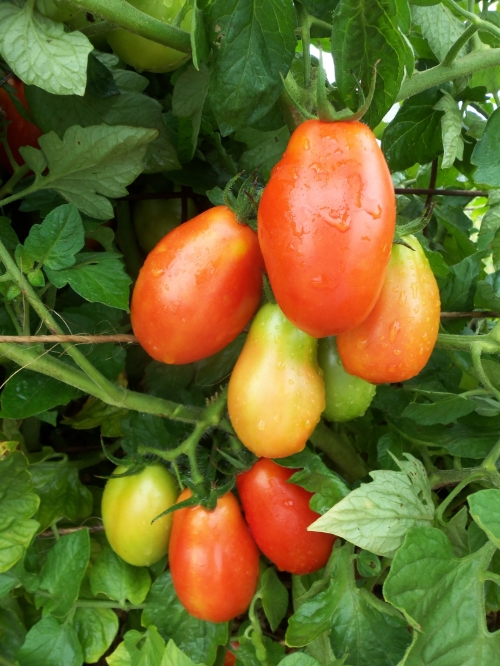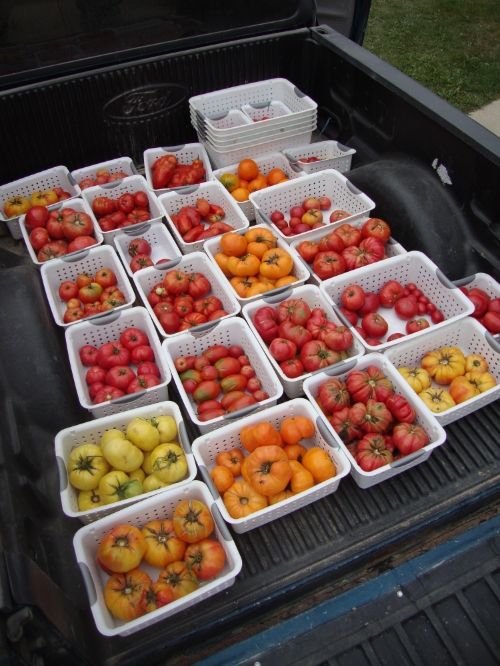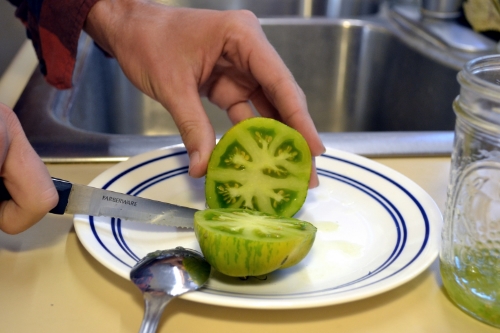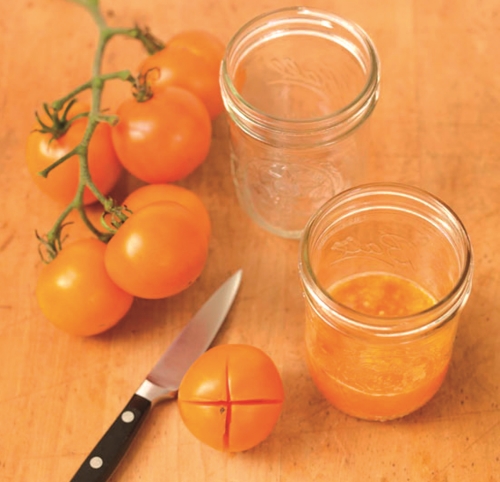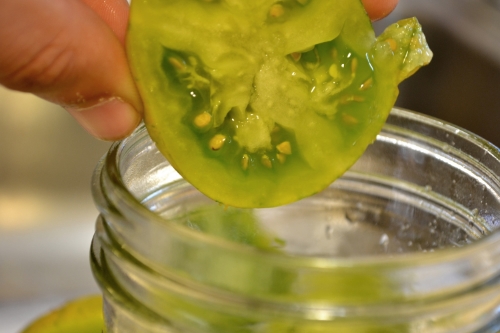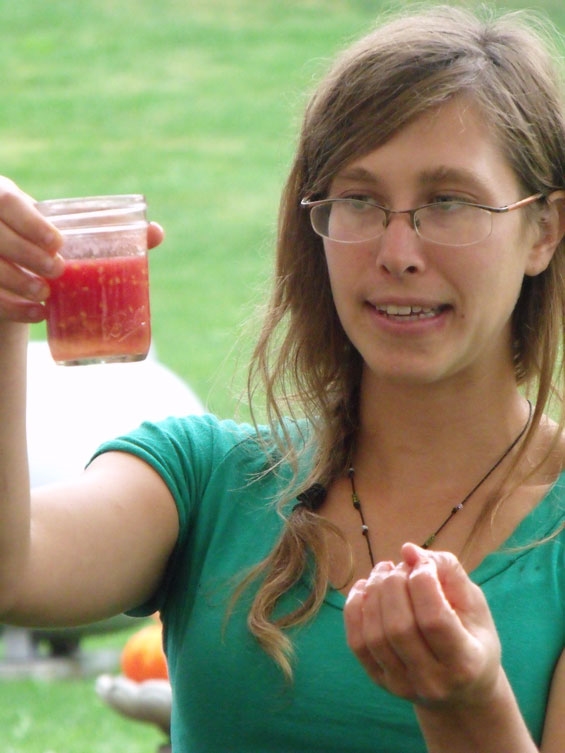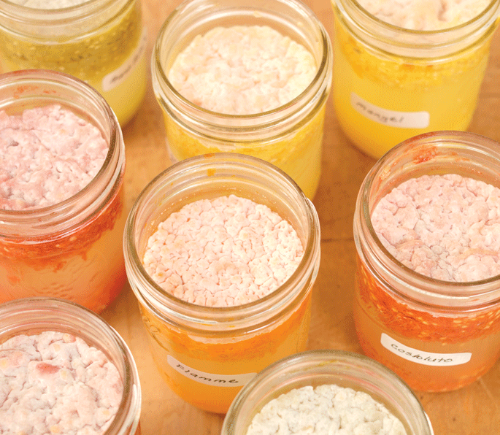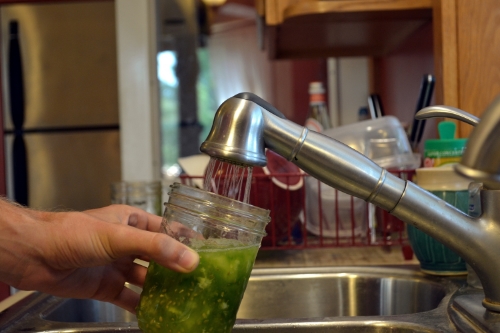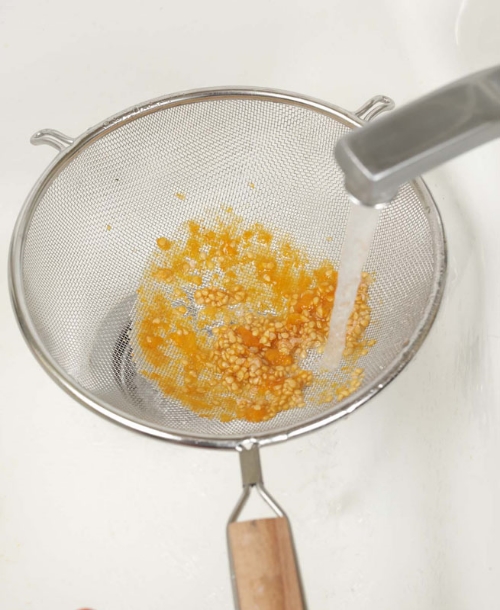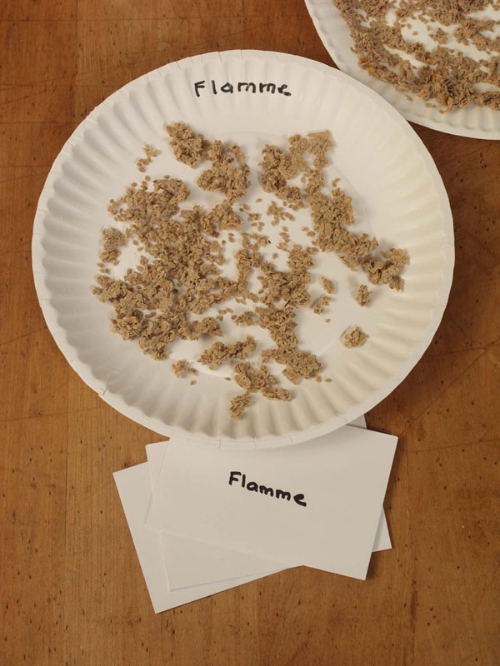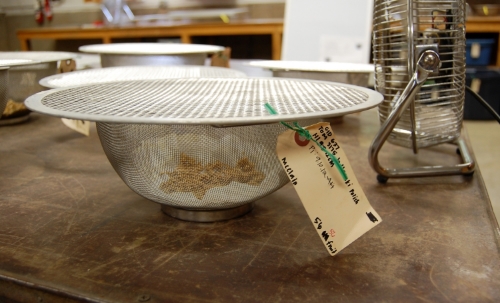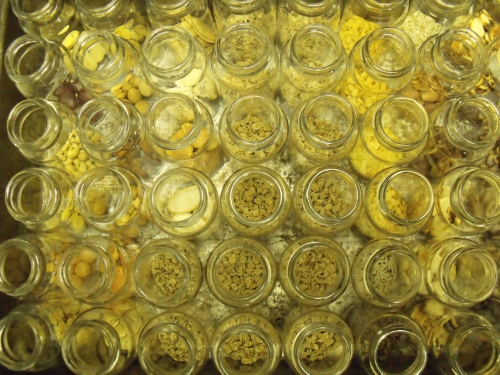

Heirloom tomatoes are the highlight of summer—beautiful colors and bountiful flavors! Preserve the bounty for next year by saving seed of your favorite tomato varieties. You only need a few fruit to get started, so watch the slideshow below and learn how. By doing so you’ll carry on a gardening tradition that is many generations old.
For even more tomato seed saving information, register for our Tomato Seed Saving Webinar. And if you have questions or comments, be sure to ‘Leave a comment’ below.
Note from a seed saver: Tomatoes will usually self-pollinate, so seeds saved should remain ‘true-to-type’ without worries about cross-pollination. However, there are always exceptions. Some tomatoes can cross-pollinate, which depends on many factors such as flower shape, environment, and pollinator activity. To ensure seed purity you may want to plant only one variety of tomato, or spread different varieties throughout your garden.

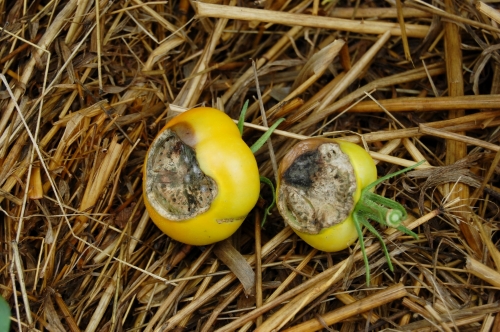
Can blight be spread through seeds to the next year’s crop? Should those seeds just be discarded?
Hello Amy!
Blight can be spread through seeds into the next year’s crop. There are a few steps you can take to remove the blight inoculum from the seeds so that you don’t have to discard them. Take a look at this webpage from the Ohio State University Extension that discusses different methods on treating seed, such as hot water and bleach. (http://ohioline.osu.edu/hyg-fact/3000/3085.html) The bleach method is probably your best bet – hot water treatments must have specific temperatures to prevent accidental cooking of the seed.
Hope that helps, and keep posting if you have any other questions!
This was incredibly helpful – Appreciate the details
Thanks for the tips! Will you do a post or webinar on how to grow the seeds indoors that we saved from last year? That is where I seem to fail miserably every year.
That’s a great idea – we’ll definitely do such in the spring!
I also found the tomatoe seed process most helpful. I will add though, it helped me to be more precise to have come from my old chemistry class back in the late 60′s.
As far as ‘ the process’ mentioned, I always try to use the ripest fruit so to know that the fruit has ‘ turned the corner’ on its biologics. Though I didn’t allow the fermentation process(and will next time because I see that it is most relevant ), I did soak the seed in an luke warm*** organic soapy solution for just a few minutes, and then of course, rinse thoroughly. This may have taken care of the glutenous material around the seeds because most if not all of my seeds made it this year. It also allows the seeds to separate easily from the same gooey material that binds them as they dry. I also (by accident but not really) used one of those styrofoam type camping/paper plates (because it was all I had at the time) and it really made a difference when the seeds became dried as they did not stick to either the plate or themselves and separated individually. Of course though, I don’t use these plates for anything else these days as they are an oil by product and should not find their way into the system as they do not decompose. But paper plates and paper towels are brutal because the seed wants to adhere( unless the paper plate has a wax lining ??). Anyway….. nice to see such devotion here from this site members. i will also add as a side note, look up on u-tube presentations the recent study on lab rats by a French bio-lab on GMO’s and Monsanto and of course, prop.37 here in California on labeling of foods. Monsanto is spending alot of cash on disinformation and they just might be working with the Dept. of HomeLand Security(for Der the Reich Land) lol lol. Therefore …….
“Keep your nose to the wind and your eyes on the skyline Jeremiah”.
What I do[ PITTSBURGH AREA}
is have one tomato plant growing inside our basement with plenty of light/
Usually [ this year also] plant the Cherry Tomatoes as they seem to adjust to the basement conditions well over Winter.
I also make sure some Gnats are in the area the plant is in[ they pollinate the plant] too many eat them so I keep the Gnats low population.
The Gnats do what the Bees do outside but on a smaller scale and has worked for me for many years.
Usually in Feb/March following Winter indoors the tomatoes do have a few Tomatoes and they are as good as grown outside but way fewer.
Actually, tomatoes don’t need gnats or bees to pollinate. They’ll pollinate themselves! Because gnats can spread disease and cause problems with ripening fruit, I’d recommend not worrying about gnats in the future. Glad to see you can grow tomatoes during the winter – I haven’t tried yet!